The Metallurgical and Forming Mechanisms of High-Pressure Die Casting for High-Strength Aluminum Alloy Wheels
For B2B buyers and manufacturers, the selection of a high-pressure die casting (HPDC) process for aluminum alloy wheels is not merely a choice of manufacturing method but a fundamental decision governing the wheel's internal metallurgical integrity, which directly dictates its fatigue life, impact resistance, and overall structural reliability under cyclic loading; achieving optimal performance requires a precise, closed-loop control of the entire casting parameter envelope—from alloy chemistry and melt treatment to intensification pressure and die thermal management—rather than focusing on any single variable.
The Solidification Dynamics of HPDC and Their Impact on Microstructure
In engineering terms, high-pressure die casting is characterized by the ultra-rapid injection of molten aluminum into a steel die under high pressure, which is maintained until solidification is complete. This process creates a unique and non-uniform solidification structure. The microstructure of an HPDC wheel is typically divided into distinct zones: a fine-grained, dense skin layer formed almost instantaneously against the cold die surface, and a progressively coarser, more porous interior region.
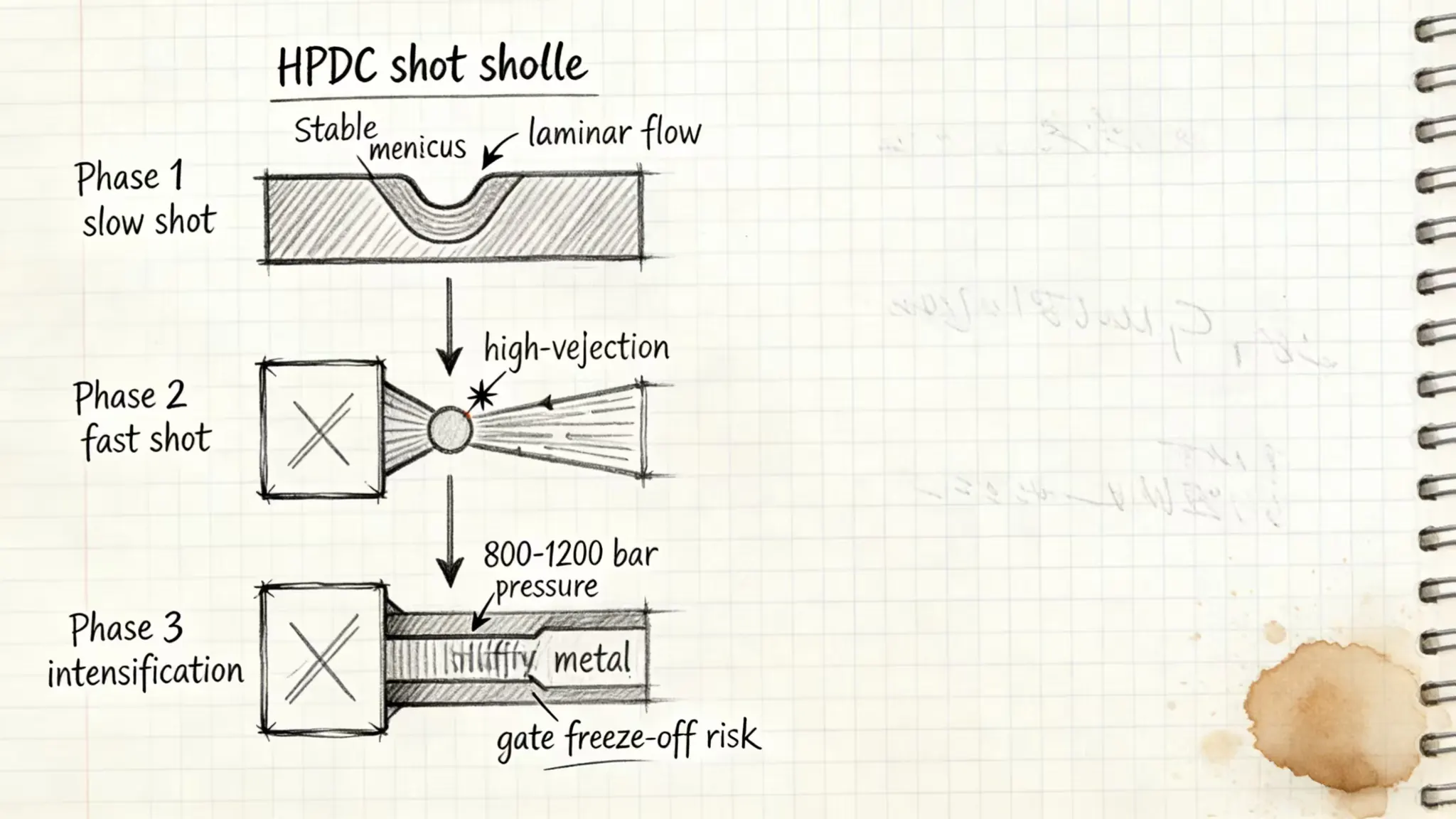
The skin layer, often only a few hundred microns thick, exhibits superior mechanical properties due to its fine dendritic arm spacing and low porosity. However, this advantage diminishes when the wheel is subjected to high-stress, low-cycle fatigue, such as from repeated impacts with potholes or curbs. The stress concentration can quickly propagate from the surface into the less robust core material. The interior region solidifies under lower cooling rates, leading to larger grain structures, shrinkage porosity, and gas entrapment. These internal defects act as initiation sites for fatigue cracks under the complex multiaxial stresses experienced during cornering and braking.
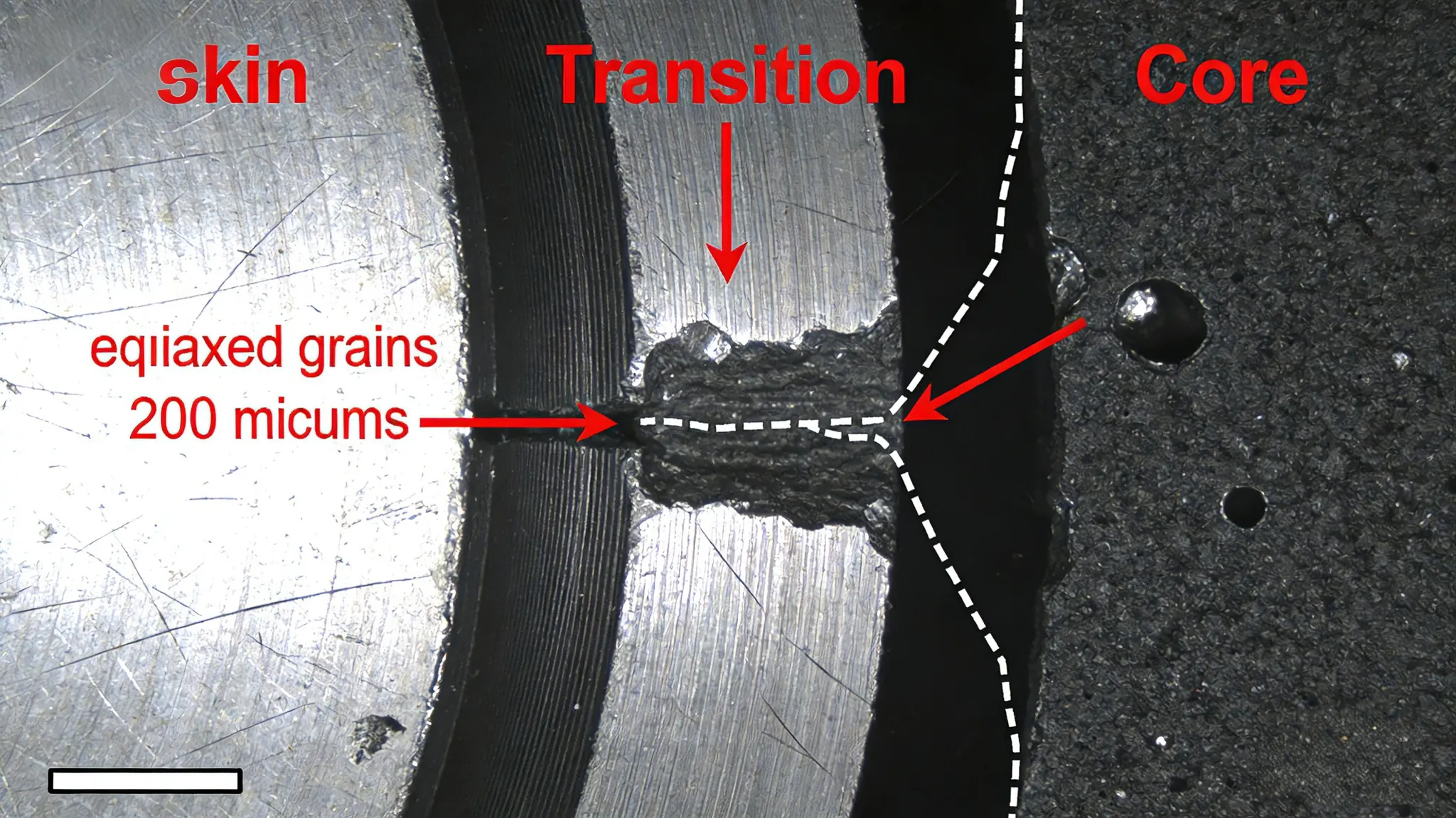
From a manufacturing perspective, controlling this gradient is the primary challenge. The goal is not to eliminate it entirely—which is thermodynamically impossible in HPDC—but to manage its severity and character. Key levers include the precise control of die temperature gradients, the use of conformal cooling channels within the die, and the optimization of gate design to ensure the most critical structural areas of the wheel (e.g., the spoke-to-rim junction and bolt hole regions) are fed by the highest-quality metal that solidifies first.
Critical Process Parameters: Beyond Injection Speed and Pressure
While fast shot speed and high intensification pressure are well-known hallmarks of HPDC, their interaction with other, less-discussed parameters defines final wheel quality. The first critical phase is the slow shot, where the sleeve is filled with molten metal. Inadequate control here leads to air entrapment, which is then injected into the die cavity. This entrapped air manifests as subsurface blistering or porosity that severely weakens the wheel.
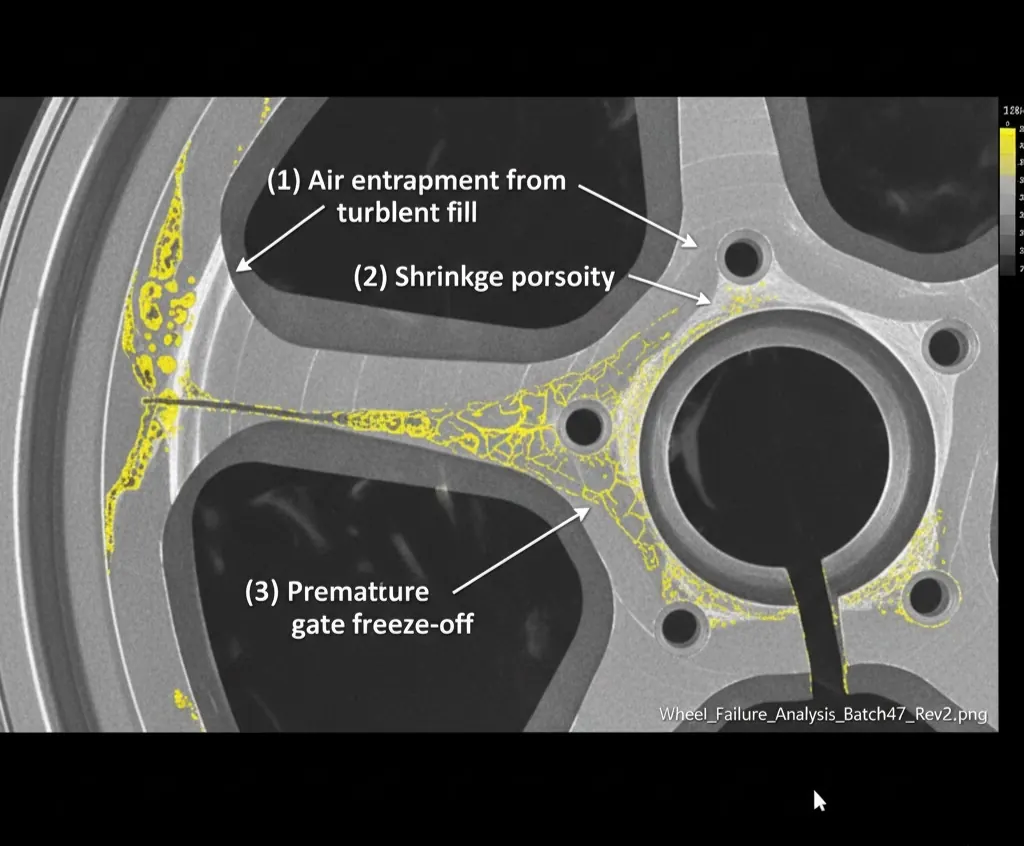
The transition from slow shot to fast shot must be precisely timed to ensure the molten metal wave front is stable, minimizing turbulence. Following cavity fill, the intensification phase applies a final, sustained high pressure (often 800-1200 bar) to the solidifying metal. This pressure compensates for solidification shrinkage by forcing additional liquid metal into the interdendritic spaces. However, this advantage diminishes when the gate has solidified prematurely, isolating the casting from the hydraulic pressure in the shot sleeve. Therefore, gate design and thermal management are as critical as the pressure setting itself.
Die lubrication and thermal management are equally vital. Inconsistent spray application leads to local hot spots, causing soldering (aluminum sticking to the die) and slower local cooling rates, which degrade microstructure. A thermally unstable die produces castings with inconsistent mechanical properties from one cycle to the next, a significant risk for batch quality in a B2B supply context. Real-world applications demand a process capability index (Cpk) for key parameters like first-phase injection velocity and intensification pressure to ensure statistical control over the metallurgical outcome.
Alloy Selection and Melt Treatment for Structural Integrity
Not all aluminum alloys are equally suited for the demanding HPDC process of wheel manufacturing. The industry standard, A356 (Al-Si7Mg), is favored for its excellent castability, pressure tightness, and response to heat treatment. Its near-eutectic silicon content provides good fluidity to fill thin sections and complex geometries. However, from a manufacturing perspective, the raw alloy composition is just the starting point.
Effective melt treatment is non-negotiable. Hydrogen, absorbed from atmospheric moisture, is the primary source of gas porosity. Degassing with rotary or lance-type inert gas purgers is essential to reduce hydrogen content to below 0.10 ml/100g Al. Furthermore, the modification of the silicon eutectic structure through the addition of strontium or sodium transforms the coarse, plate-like silicon particles into a fine, fibrous morphology. This modification significantly improves ductility and fatigue resistance without sacrificing strength.
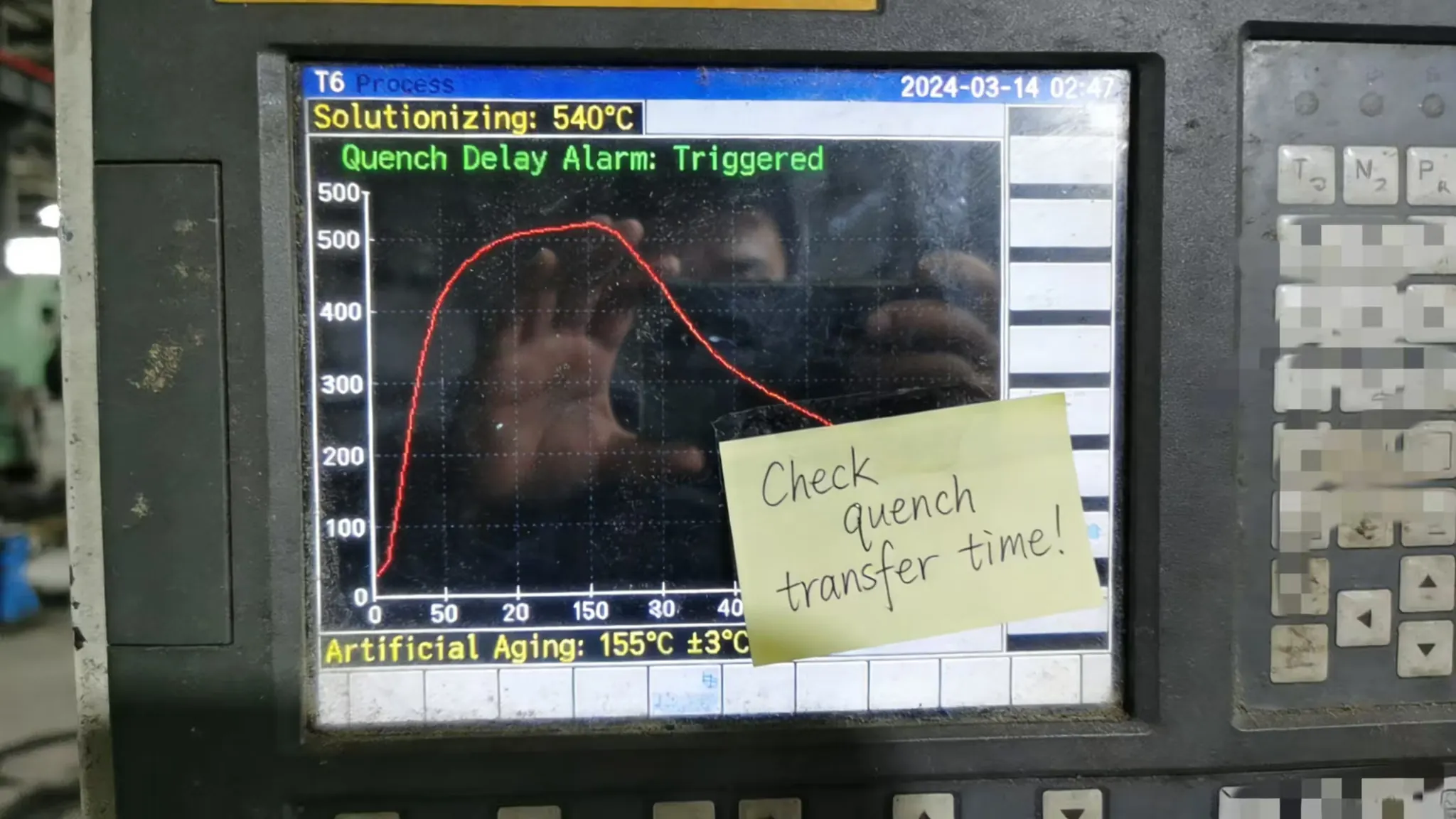
In engineering terms, the subsequent T6 heat treatment (solutionizing, quenching, and artificial aging) is where the wheel achieves its final mechanical properties. Solutionizing dissolves alloying elements into the aluminum matrix, while rapid quenching creates a supersaturated solid solution. Artificial aging precipitates fine strengthening particles. For HPDC wheels, the rapid solidification can lead to non-equilibrium phases and solute segregation, making the time-temperature profile of the solution treatment particularly critical. Over-aging or improper quenching can negate the benefits of a well-controlled casting.
Practical Implications for B2B Buyers and Manufacturing Audits
For a professional B2B buyer procuring wheels in volume, understanding these mechanisms translates into specific, actionable audit points beyond basic certification. A supplier audit must move past checking for a T6 certificate and delve into process control evidence.
First, request data on process stability. This includes statistical process control (SPC) charts for key casting parameters: slow shot position, fast shot velocity, intensification pressure, and die temperature at critical points. Look for evidence of regular calibration of shot end sensors and hydraulic systems. Second, inquire about melt quality control. The foundry should perform regular reduced pressure test (RPT) samples to quantify porosity and chemical analysis for alloy composition and modification levels.
In real-world applications, the proof is in destructive testing. A competent manufacturer will perform periodic sectioning of sample wheels from production for macro-etch inspection. This reveals the internal soundness—the size and distribution of porosity and the integrity of critical junctions. Ask to see these records. Furthermore, fatigue test results (radial fatigue, cornering fatigue, and impact tests) should be traceable to specific production batches, not just prototype qualifications.
Finally, discuss the die design and maintenance philosophy. High-quality HPDC for wheels requires dies with sophisticated thermal management systems. Ask about the use of conformal cooling and the schedule for die surface inspection and refurbishment. A worn die will produce flashing and dimensional inaccuracies that can mask more serious metallurgical issues. A manufacturer investing in this level of process transparency and control is one that understands the engineering fundamentals required for reliable, high-performance wheel production.
This analysis covers the metallurgical principles and critical process parameters of the high-pressure die casting (HPDC) method as applied to the manufacture of aluminum alloy wheels for the automotive industry. It focuses on the formation of microstructure, the control of porosity, the role of alloy chemistry and heat treatment, and the practical implications for quality assurance in a B2B procurement context.
This analysis does not cover low-pressure die casting (LPDC) or gravity casting processes for wheels. It does not address forging, flow forming, or multi-piece wheel construction. Topics such as wheel design, styling, finishing (painting, machining), or specific OEM homologation standards are outside its scope. The economic comparison of HPDC to other processes is also not discussed.
The structural reliability of a high-pressure die-cast aluminum wheel is fundamentally governed by its internal metallurgical integrity, which is a direct result of a tightly controlled envelope of process parameters encompassing melt treatment, injection dynamics, die thermal management, and subsequent heat treatment, rather than any single manufacturing step.